Finding a dental clinic in London is not difficult. Choosing the right one for your needs is the real work. The city offers everything from boutique cosmetic studios to multidisciplinary centers with oral surgeons, orthodontists, and dental hygienists under one roof. Fees vary widely, NHS access is patchy in some boroughs, and appointment availability can swing from same day to six weeks out depending on the practice and the service. Over years of working with patients and collaborating with clinics across London and in nearby regions like London, Ontario, I have noticed consistent patterns: people who do their homework tend to get better outcomes, fewer surprises on cost, and a more comfortable journey whether they need routine teeth cleaning or full-arch dental implants.
This guide breaks down the major decisions and trade-offs. It includes practical checkpoints you can use from the first website visit to the post-op call after a tooth extraction. It also points out where specialist expertise matters, such as choosing a dental implants periodontist for complex grafting, or seeking an orthodontist for braces rather than a generalist who dabbles.
Start with your goals, not the clinic’s service list
An honest self-assessment sets the direction. Are you trying to get on top of preventive care after a few missed years, manage urgent pain with an emergency dental service, or pursue cosmetic dentistry like porcelain veneers or teeth whitening? Each path favors a different clinic profile.
If you need comprehensive restorative work, expect several disciplines to be involved: fillings, root canal therapy, crowns or onlays, and possibly dental implants. A clinic that coordinates care internally between a cosmetic dentist, endodontist, and periodontist can streamline timelines and reduce miscommunication. If your priority is aesthetics, vet the cosmetic dentistry portfolio carefully for veneers, bonding, and whitening outcomes that align with your taste and face. For orthodontic goals, look for experience with braces and clear aligners, and ask whether they offer myofunctional therapy when oral habits affect bite stability or breathing.
Patients who commute long distances for a single marquee service often regret it when follow-ups stretch over months. If you live in West London, a beautiful practice in Shoreditch may be a burden by the fourth adjustment visit for orthodontic braces. Location is not trivial, especially for sequences of care like implant placement, healing checks, and prosthetic fittings.
Checking credentials and scope, without getting lost in acronyms
London has outstanding dentists, but titles can be confusing. As a starting point, look for GDC registration for all dentists and hygienists, and see whether key clinicians hold additional qualifications in their specialty. Postgraduate training in endodontics can matter for complex root canal cases, just as advanced periodontal training is vital for grafting and implant stability. If you are comparing a general dentist offering implants with a dental implants periodontist, ask direct questions about case numbers per year, complication rates, and how they manage peri-implantitis.
For cosmetic dentistry, experience and artistry trump credentials alone. A cosmetic dentist should show case galleries with real patients, preferably with a consistent photography style, shade matching that respects skin tone and age, and detailed notes about material choice such as porcelain veneers versus composite veneers. If every smile looks the same shade and contour, be cautious.
Dental hygienist credentials and their appointment length matter more than many realize. A 20 minute scale and polish is not the same as a 45 minute periodontal maintenance visit with tailored home-care coaching. High-quality teeth cleaning reduces inflammation, improves whitening results, and supports implant longevity.
The reality of costs and quotes in London
Prices in London range widely, but useful reference bands exist. A single filling might run from modest NHS rates to several hundred pounds privately depending on material and complexity. Professional teeth whitening can be as low as a few hundred for a tray system and 500 to 800 for in-surgery options, sometimes higher at premium studios. Root canal fees often track the tooth type, with molars costing significantly more than incisors due to canal anatomy and time. Single dental implants, including the crown, might begin around the low thousands and climb depending on grafting, provisional restorations, and lab fees.
Transparent clinics put their fee guides online, then personalize quotes after an exam. Beware of quotes that exclude key line items like 3D CBCT imaging, provisional crowns or bridges while implants heal, and post-op reviews. Ask whether cosmetic dentistry proposals include a wax-up or digital smile design, how many refinements are included, and what happens if your bite needs adjusting after porcelain veneers are fitted. If you sense evasiveness around pricing, you may end up in a billing tug-of-war exactly when you want to focus on healing.
Patients sometimes assume that the cheapest option for tooth extraction is best, but complex extractions can be anything but simple. Removing a broken molar that sits near a sinus or nerve may require a surgeon with specific instruments and imaging. Spending slightly more for a clinician skilled in atraumatic extraction can preserve bone for future implants and shorten recovery. Upfront cost matters, long-term value matters more.
Clinical philosophy and the red flags it reveals
Every clinician has a philosophy whether they articulate it or not. You can sense it in the first exam. Do they start with preventive foundations like gum health, bite assessment, and home-care habits before discussing cosmetic upgrades? Or do you feel rushed toward quick fixes? A solid operator will never promise that whitening will mask intrinsic discoloration that really needs internal bleaching or veneers, nor will they oversell porcelain veneers to a patient whose bite and parafunctional habits will chip the ceramics within months.
Ask how they decide between saving a tooth with root canal therapy and restoration, versus opting for an extraction and dental implant. Good dentists discuss long-term tooth prognosis in terms of remaining tooth structure, crack patterns, periodontal support, and your risk factors like bruxism. A honest conversation might lead to a well done root canal and crown with 10 to 15 years of service, or an early decision for extraction when the fracture line compromises the root.
For orthodontic cases, inquire how they evaluate airway, tongue posture, and oral habits. Myofunctional therapy may be recommended by some clinics to support lip seal, nasal breathing, and tongue position that stabilizes orthodontic braces or aligner results. It adds appointments, but recurring relapse carries its own costs.
Facilities, tech, and when they truly matter
Technology can improve outcomes, but only in skilled hands. Intraoral scanners reduce gagging and improve accuracy for crowns, bridges, and implant abutments. CBCT 3D imaging is pivotal for implant planning near nerves and sinuses, and for diagnosing hidden canals in molars before a root canal. Rubber dam isolation for endodontics is not just a nice-to-have, it is a standard of care. If a clinic sidesteps this, be cautious.
Chairside milling systems can produce same-day crowns, a genuine benefit for single tooth cases with limited time. But some work still benefits from a top-tier lab technician, especially anterior porcelain veneers that demand layered translucency and careful edge design. A balanced clinic will tell you when they prefer lab-crafted ceramics over same-day restorations.
Sedation options matter for anxious patients. If you have dental anxiety, ask about oral or IV sedation, and confirm who administers it, their monitoring protocols, and recovery time. For families, find out whether their hygienists and dentists have experience with children, and whether they schedule longer visits for first timers. Small touches like ceiling screens, noise-cancelling headphones, and warm handovers between team members often reflect a patient-centered culture.
Access, after-hours support, and real emergency readiness
Dental pain rarely follows office hours. A reliable clinic specifies how to reach an on-call dentist for urgent issues like swelling, uncontrolled bleeding after extraction, or trauma. Ask about their emergency dental service and the typical response time. London has several hospitals with oral and maxillofacial units, but your first call is usually your clinic. If the practice can see you same day for acute pain or a cracked tooth, that is a strong sign of operational competence.
For patients who split time between cities, continuity matters. If you travel between London and London, Ontario, look for clinics willing to coordinate records, radiographs, and treatment summaries. The keyword phrases you might search in that region, like Dentist London Ontario, Emergency dentist London Ontario, Dental implants London Ontario, Dentures London Ontario, Teeth whitening London Ontario, and Cosmetic dentistry London Ontario, map to similar decision points. Whether you seek a dentist London or dentists London Ontario, prioritize transparent scope, strong referrals, and clear aftercare.
A realistic timeline for common treatments
Treatment durations vary, but planning ahead makes everything less stressful.
- Teeth cleaning and dental exams: Expect 45 to 60 minutes for a thorough new-patient hygiene session with periodontal charting, then 30 to 45 minutes for reviews. If you have gum disease, maintenance visits every three to four months can stabilize inflammation and protect future restorative work. Teeth whitening: At-home tray systems require consistent nightly wear for 10 to 14 days. In-surgery whitening delivers a jump in a single visit, often followed by trays to refine shade. Staining habits and enamel thickness affect results. Fillings and crowns: Small fillings are single visit. Larger onlays or crowns take one visit if milled in-house, or two visits if lab-fabricated. Post-op sensitivity can last days to a couple of weeks. Root canal and restoration: A front tooth often needs one session for the canal and a separate appointment for the final restoration. Molars take longer and sometimes two canal visits. Once settled, a crown protects the structure. Dental implants: From planning to final crown, expect several months. After extraction, you may need to wait for bone healing before placement, or you may have immediate placement depending on bone quality. Healing caps sit for 8 to 12 weeks. Full-arch treatments can be faster with immediate load protocols, but careful selection is required. Orthodontic braces or aligners: Treatment duration ranges from under a year for minor crowding to two years for complex cases. Retainers are lifelong companions. If myofunctional therapy is recommended, it slots in early to support stable outcomes.
Reading before-and-after photos like a professional
Photographs are not merely marketing. They reveal technique and taste. Look for consistent angles and lighting. Examine the gum line for health and symmetry, not just white teeth. For porcelain veneers, pay attention to incisal translucency and the emergence profile at https://finnosyv277.wpsuo.com/finding-the-right-dentist-in-london-ontario-a-local-guide the gum to avoid a bulbous look. Check midline alignment with the face and lips, not just between the central incisors. Natural results rarely look pure white; a balanced shade often sits in the A1 to BL2 range depending on skin tone.
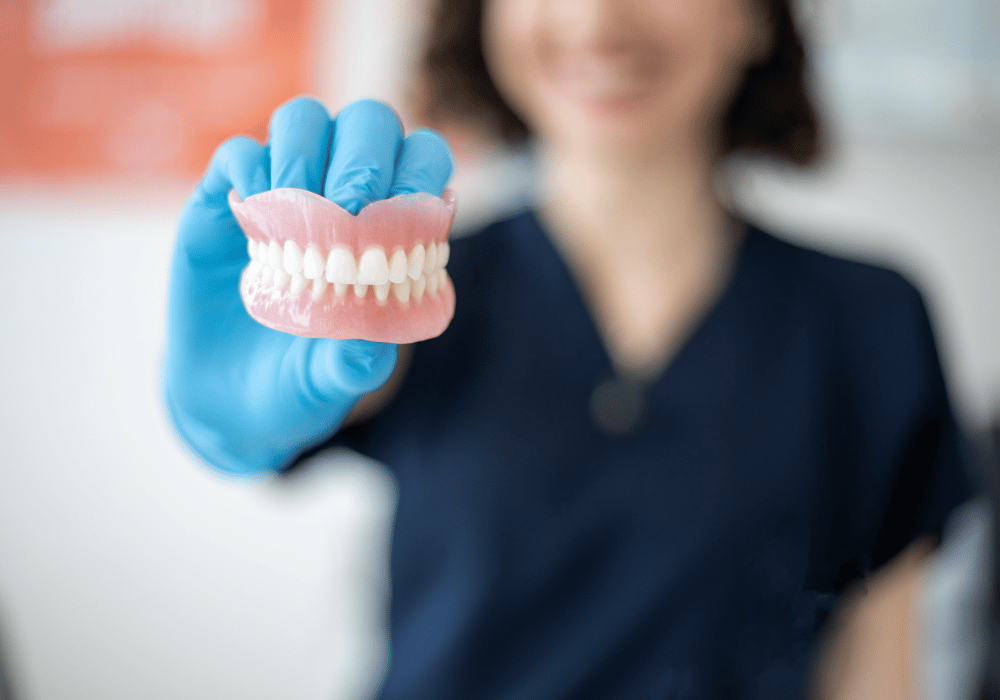
With dental implants, look for papillae between teeth and implant restorations. Flat black triangles can signal compromised soft tissue or spacing. For dentures, study how the upper lip is supported and whether the smile line follows the lower lip. Overly long anterior teeth may look striking in photos but feel awkward when speaking.
The consultation test: what to ask and how to interpret the answers
A good consultation is a conversation. Bring your questions, then listen not just for answers but for the way the team thinks.
Here is a short, focused checklist you can copy and use:
- How many cases like mine have you completed in the past year, and may I see examples similar to my situation? What are the realistic alternatives, including pros, cons, costs, and timelines? What are the common complications or touch-up needs, and how do you manage them? Who exactly performs each part of my treatment, and how is care coordinated? What does aftercare look like over the first year, and what maintenance is needed beyond that?
You are looking for clarity and humility. If someone guarantees that your implant will last a lifetime or that whitening will fix deep tetracycline stains in a week, take a breath and step back. Dentistry has variables, from biology to habits, and experienced clinicians discuss probabilities, not certainties.
Hygiene culture is the foundation
Patients sometimes view hygiene visits as a chore to tick off. The smartest clinics treat their dental hygienists as front-line clinicians who prevent larger problems. A hygienist who probes gently but systematically, explains bleeding points, and recalibrates your home routine with small, achievable steps is worth their weight in gold. That might mean switching to a soft brush, using interdental brushes sized to each space, and adjusting toothpaste type if sensitivity flares.
Teeth cleaning sets the stage for predictable cosmetic dentistry and long-term stability of implants and braces. If you are pursuing teeth whitening London, you will notice brighter results on plaque-free enamel. If you are investing in dental implants London, a hygienist who teaches you how to sweep under a fixed bridge or around an implant-supported denture pays dividends for years.
Handling fear, discomfort, and prior bad experiences
Dental anxiety is common. Pretending otherwise only makes it worse. I have sat with patients who postponed care for a decade after a rushed extraction in their twenties. The path back usually starts with a no-treatment consultation, then a gentle hygiene visit with clear stop signals, and finally a short restorative appointment with topical gel plus local anesthesia. Some people benefit from oral sedation, others from IV sedation for longer sessions like multiple fillings or a root canal. Noise-cancelling headphones, blankets, and predictable communication reduce stress hormones more than you might expect.
If needles terrify you, ask whether they pre-numb the site, use warmed anesthetic, and inject slowly. For extractions, a piezoelectric device can sometimes make bone cuts more controlled and comfortable than a traditional bur. These details are the difference between a tolerable day and a trauma trigger.
Special cases: when to insist on a specialist
General dentists can handle a wide range of dental services, but certain cases gain reliability with specialist hands:
- Endodontics for molar root canals with calcified or curved canals, where microscopic guidance and ultrasonic tips reduce missed anatomy. Periodontics for dental implants in thin bone or aesthetic zones, soft tissue grafts, and management of peri-implantitis. Oral surgery for complex tooth extraction adjacent to nerves or sinuses, or when sedation is required. Orthodontics for severe crowding, skeletal discrepancies, or when myofunctional therapy is needed to stabilize outcomes. Prosthodontics for full-mouth rehabilitations, dentures that must balance function and facial support, and occlusal schemes that protect porcelain.
You do not need to memorize specialties. Ask your dentist whether they would treat the same case for a close family member, or refer to a colleague. The way they answer tells you everything.
Weighing cosmetic priorities against function
Cosmetic dentistry is not a separate universe. Bite forces, gum health, and tongue posture shape how long your veneers, bonding, or crowns will last. When a cosmetic dentist proposes porcelain veneers, ask how they evaluate your bite and whether they plan minimal-prep or no-prep options. Sometimes tooth alignment with short-term braces or aligners first lets you preserve enamel, then place thinner veneers that age more gracefully.
Whitening is safe when done properly, but it does not whiten fillings or crowns. Your plan may include replacing visible fillings after whitening to match shade. If you rush the sequence, you end up with mismatched teeth that annoy you every time you smile.
Comparing clinics in practice: two patient journeys
Emma, 34, wanted a brighter smile and to tidy mild crowding. Clinic A offered a package: in-surgery whitening and veneers on four front teeth. The price looked enticing and the timeline was three weeks. Clinic B suggested short-term orthodontic braces for six months to align teeth, at-home tray whitening, then conservative composite bonding on edges. The total cost was similar over time, but Emma chose Clinic B because the plan preserved enamel. Two years later, her bonding remains intact, and her retainers keep the alignment stable.
Jamal, 58, had a failing lower molar with a vertical crack, repeated infections, and a missing adjacent tooth. Clinic C pushed to save the cracked tooth with another root canal. Clinic D recommended extraction by a surgeon, guided implant placement at the missing site, and a shorter-span bridge that did not depend on a questionable tooth. Jamal followed Clinic D’s plan, took an extra three months for healing, and reports stable chewing with less nightly clenching. Spending time on the right diagnosis saved him from a cycle of retreatments.
London, Ontario and London, UK: parallel lessons
Whether you search Dentist London or Dentists London Ontario, the backbone of selection is similar: transparent exams, documented expertise, and a clear maintenance plan. If you need an Emergency dentist London Ontario while visiting family, call ahead, share your records digitally, and ask whether the clinic can coordinate with your home practice after stabilizing care. For big-ticket items like Dental implants London Ontario or Cosmetic dentistry London Ontario, ask the same questions you would in the UK: implant system used, lab partners, and maintenance protocols.
Patients planning Teeth whitening London Ontario or Dentures London Ontario should bring photos from earlier in life if available. Old photos help the lab shape dentures that restore your original tooth display and lip support, and they help calibrate realistic whitening shades that fit your complexion.
What a strong first appointment looks like
When you sit in the chair at a well-run dental clinic London, several things happen in sequence. A detailed medical history catches systemic conditions, medications, and sleep issues that influence healing and bleeding. The exam covers soft tissue screening for lesions, gum measurements, occlusion checks, and bite function. Digital radiographs or CBCT scans are used judiciously, not reflexively. The dentist narrates findings without jargon, shows images on screen, and invites your questions. If you need urgent care, they triage and stabilize first, then outline definitive options.
You should leave with a written plan that includes timelines, phased costs, and maintenance steps. For implants, look for details like implant brand, diameter and length, healing protocol, and provisional strategies. For cosmetic cases, expect a smile design blueprint with photographs and possibly a 3D mock-up or wax-up you can try in with temporary material before committing.
Trade-offs worth considering before you book
No clinic is perfect. You might love a practice’s clinicians but find their schedule tight. You might find excellent prices but a spartan waiting room. Here are trade-offs that often pay off:
- Choose skill over speed for extractions and implants. Healing is smoother and future options widen. Prioritize a hygiene-led culture, even if it means slightly higher routine fees. Prevention protects every investment that follows. Accept a longer timeline for orthodontics if it reduces the need for aggressive enamel removal for veneers. Pay for proper imaging when anatomy is uncertain. CBCT scans cost more than 2D films, but they prevent costly surprises. Opt for a clinic that communicates clearly and welcomes second opinions. Confidence withstands scrutiny.
Final thoughts from the operatory
Over the years, the happiest patients I have seen share two traits: they asked direct questions early, and they kept their maintenance schedule religiously after the big work was done. They understood that dental services are not commodities. A root canal is not a single code, it is a craft performed in a biological system that varies from person to person. A veneer is not a shell, it is part of a smile that moves, ages, and meets different lighting every day.
If you anchor your search on clear goals, credentialed and experienced clinicians, transparent costs, and a strong hygiene culture, London offers outstanding choices. Whether you seek a cosmetic dentist for subtle porcelain veneers, an emergency dentist London for late-night pain, or a coordinated team for dental implants London, you can stack the odds in your favor. Take your time on the front end, insist on test drives for your smile design when possible, and treat aftercare as part of the treatment, not an optional add-on. Your future self will thank you every time you smile, eat, and sleep without thinking about your teeth.